
The lesson
Read each section in order, work through every example on paper, then use the practice problems and quick check at the bottom.
The key relationships
- 1Complementary angles add to 90°.
- 2Supplementary angles add to 180°.
- 3Vertical angles (across an X) are equal.
- 4Adjacent angles share a side and a vertex.
Two angles are supplementary. One is 110°. Find the other.
- 1Supplementary angles add to 180°.
- 2180° - 110° = 70°.
Why this matters
Use complementary, supplementary, vertical, and adjacent angles to find unknowns.
These ideas show up on homework, quizzes, and the next unit in this grade. Getting comfortable here saves time later when the problems stack more steps together.
Common mistakes to avoid
Rushing to the answer without writing steps. Clear work helps you catch mistakes and shows your reasoning.
Re-reading the question too quickly. Underline what you are solving for before you start calculating.
Key ideas from this lesson
- The key relationships
- Complementary angles add to 90°.
- Supplementary angles add to 180°.
- Vertical angles (across an X) are equal.
- Adjacent angles share a side and a vertex.
Video walkthroughs
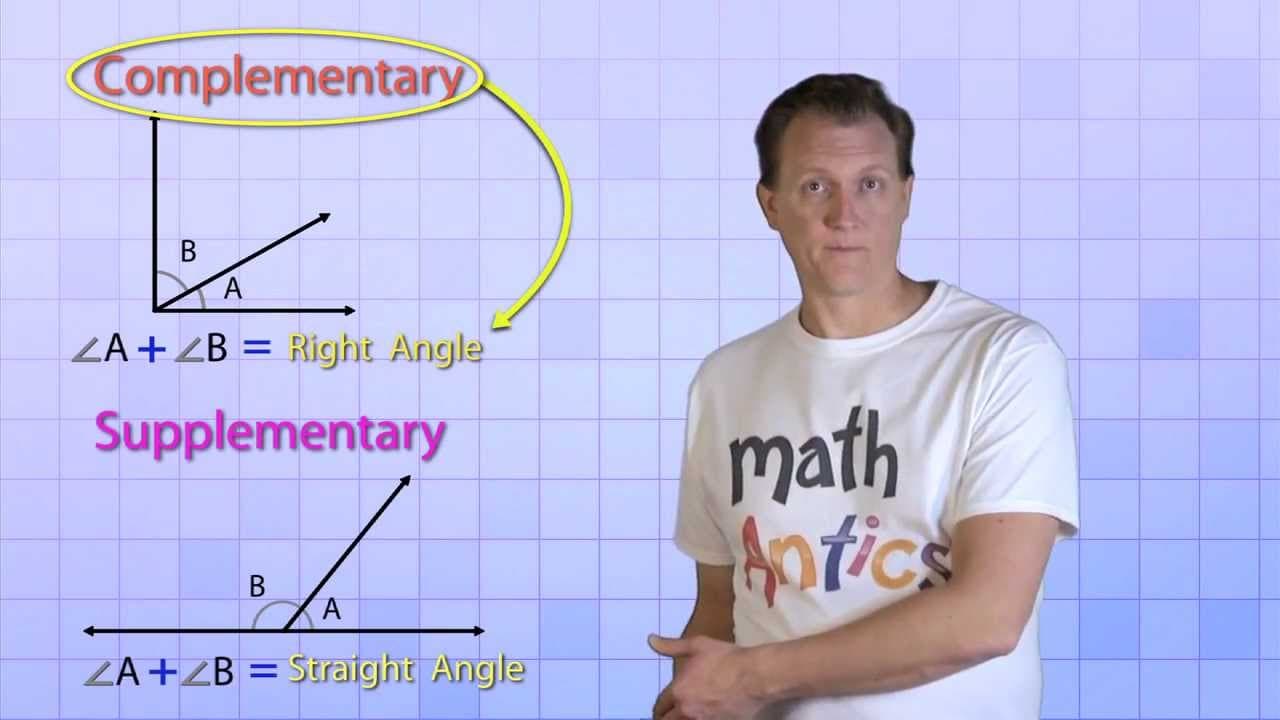
Angle Basics
Right, acute, obtuse, complementary, and supplementary angles.
Watch on YouTube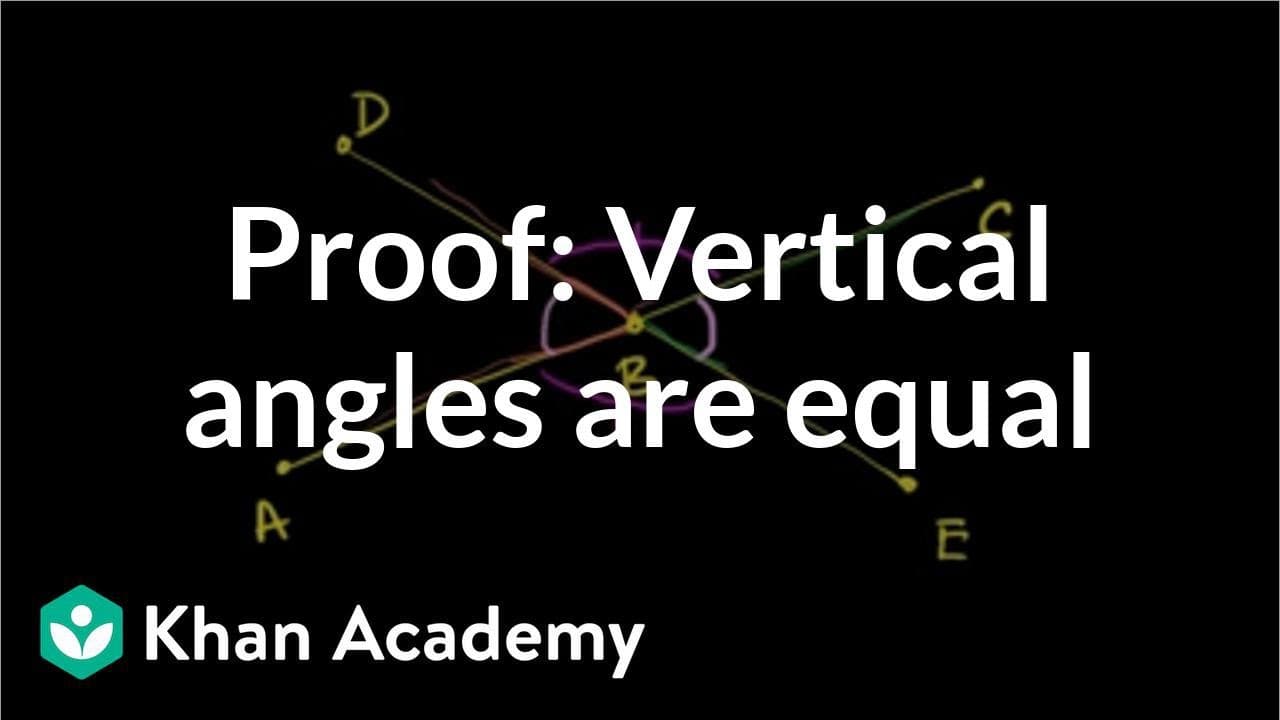
Vertical Angles Are Equal
Prove and use the fact that vertical angles are congruent.
Watch on YouTube
Angles, Parallel Lines & Transversals
Identify corresponding and alternate angle relationships.
Watch on YouTube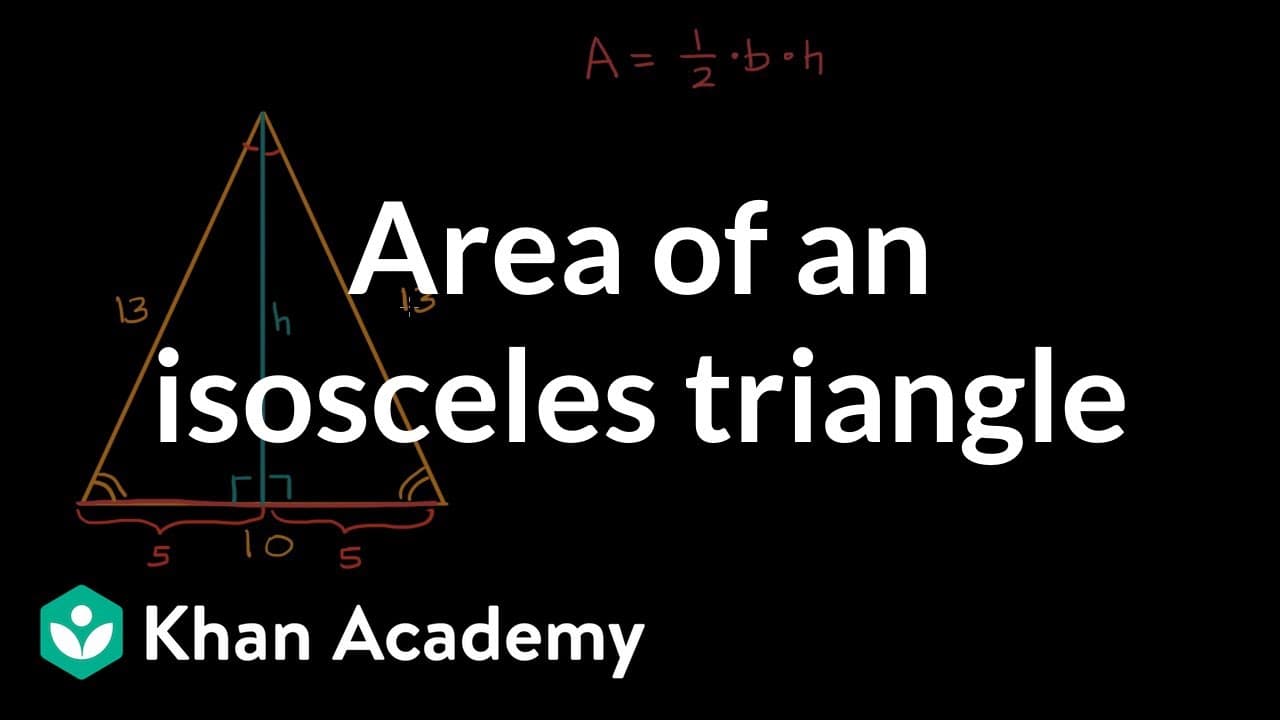
Area of an Isosceles Triangle
Use complementary and supplementary angles to find missing measures.
Watch on YouTubePractice
For each problem: write your work in the box, type your answer, and check it. If you are stuck, reveal the solution one step at a time. Do not skip straight to the final answer.
Exercise 1
Try it yourselfTwo angles are complementary. One measures 28°. Find the other.
Step-by-step solution
- 1Complementary angles sum to 90°.
- 290 − 28 = 62°.
Exercise 2
Try it yourselfTwo angles are supplementary. One measures 115°. Find the other.
Step-by-step solution
- 1Supplementary angles sum to 180°.
- 2180 − 115 = 65°.
Exercise 3
Try it yourselfVertical angles are formed when two lines cross. One angle is 47°. Find its vertical angle.
Step-by-step solution
- 1Vertical angles are congruent.
- 2The vertical angle is also 47°.
Exercise 4
Try it yourselfAn angle is 20° more than its supplement. Find the angle.
Step-by-step solution
- 1Let x be the angle; its supplement is 180 − x.
- 2The angle is 20° more than its supplement: x = (180 − x) + 20.
- 32x = 200, so x = 100°.
Exercise 5
Try it yourselfTwo lines intersect. One angle is (3x + 10)° and its vertical angle is (5x − 30)°. Find x.
Step-by-step solution
- 1Vertical angles are equal: 3x + 10 = 5x − 30.
- 240 = 2x, so x = 20.
Quick check
Answer all questions. Retake the quiz until you feel confident before moving on.
Angle Relationships
Question 1 of 4
An angle is complementary to a 35° angle. What is its measure?