
The lesson
Read each section in order, work through every example on paper, then use the practice problems and quick check at the bottom.
Splitting polygons
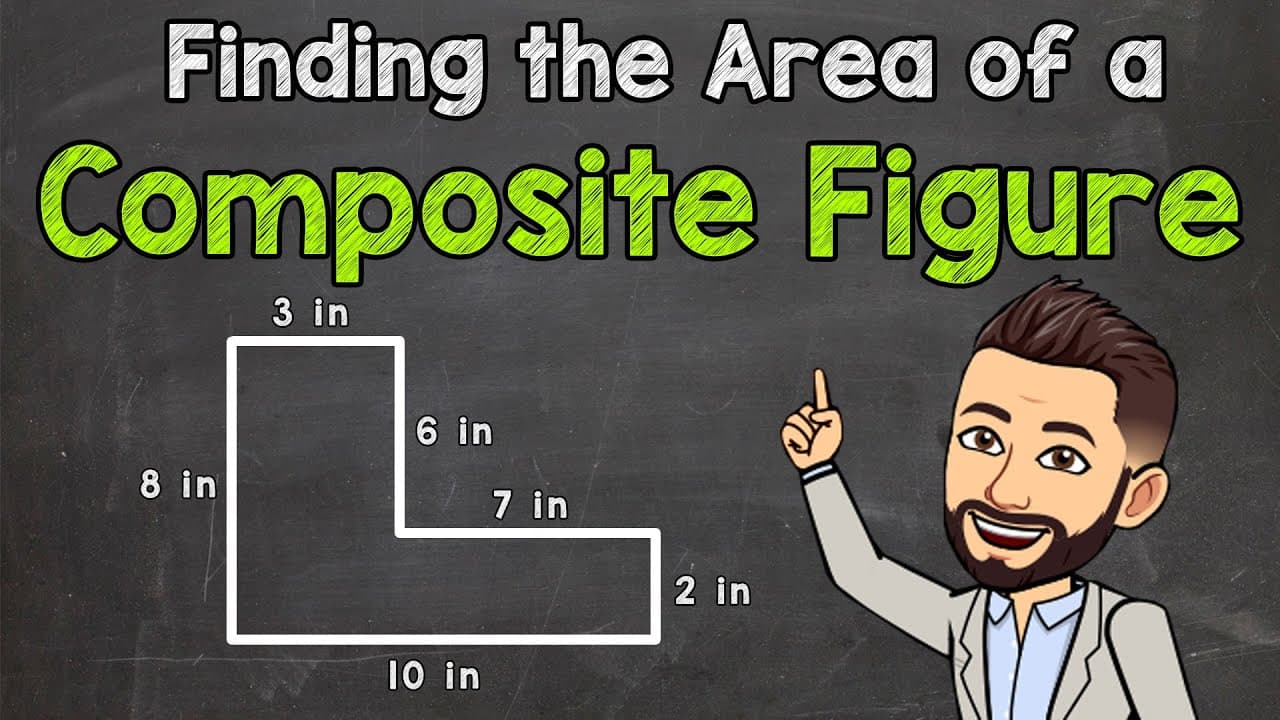
Any polygon can be broken into triangles and rectangles whose areas you already know. Find each piece, then add them together.
Triangle area is ½ × base × height. Pick a base, then measure the height straight down from the opposite point.
A hexagon splits into 6 identical triangles, each with area 12 cm². Find the total area.
- 1Multiply the area of one triangle by how many there are.
- 26 × 12 = 72 cm².
Why this matters
Use triangles and rectangles to find the area of any polygon.
These ideas show up on homework, quizzes, and the next unit in this grade. Getting comfortable here saves time later when the problems stack more steps together.
Common mistakes to avoid
Rushing to the answer without writing steps. Clear work helps you catch mistakes and shows your reasoning.
Re-reading the question too quickly. Underline what you are solving for before you start calculating.
Key ideas from this lesson
- Splitting polygons
Video walkthroughs

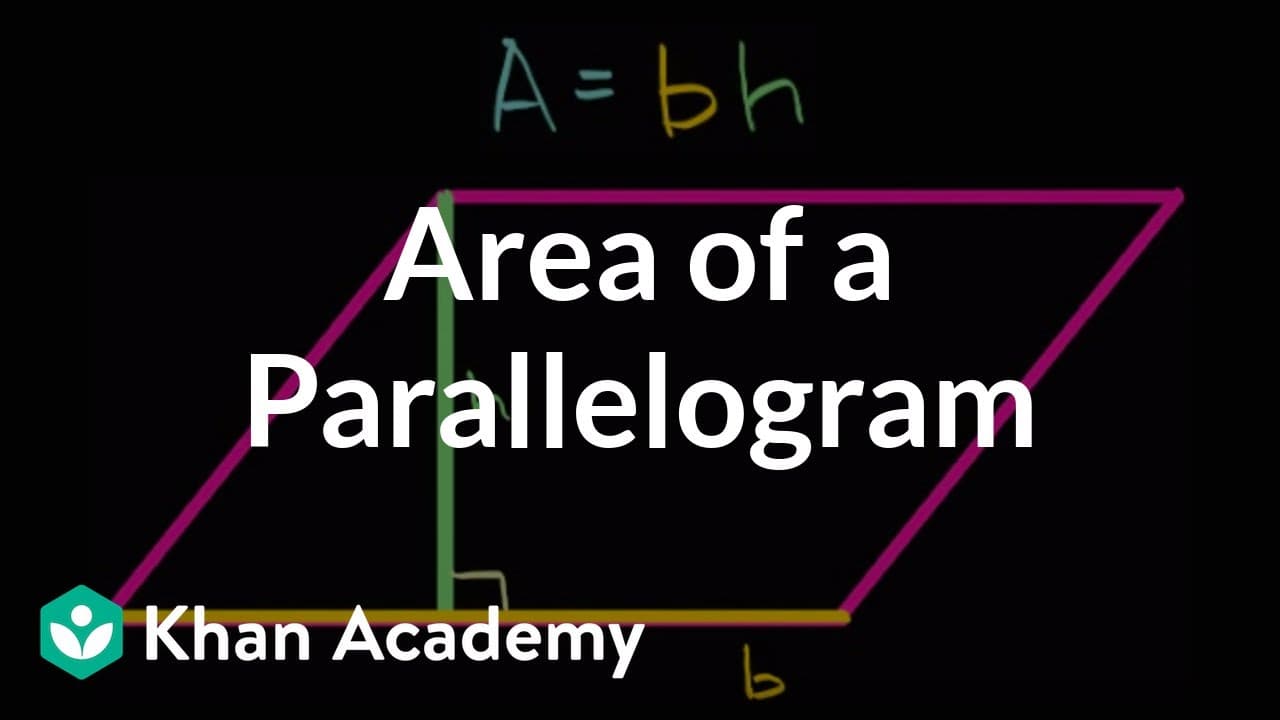
Area of a Parallelogram
Use base times height to find parallelogram area.
Watch on YouTube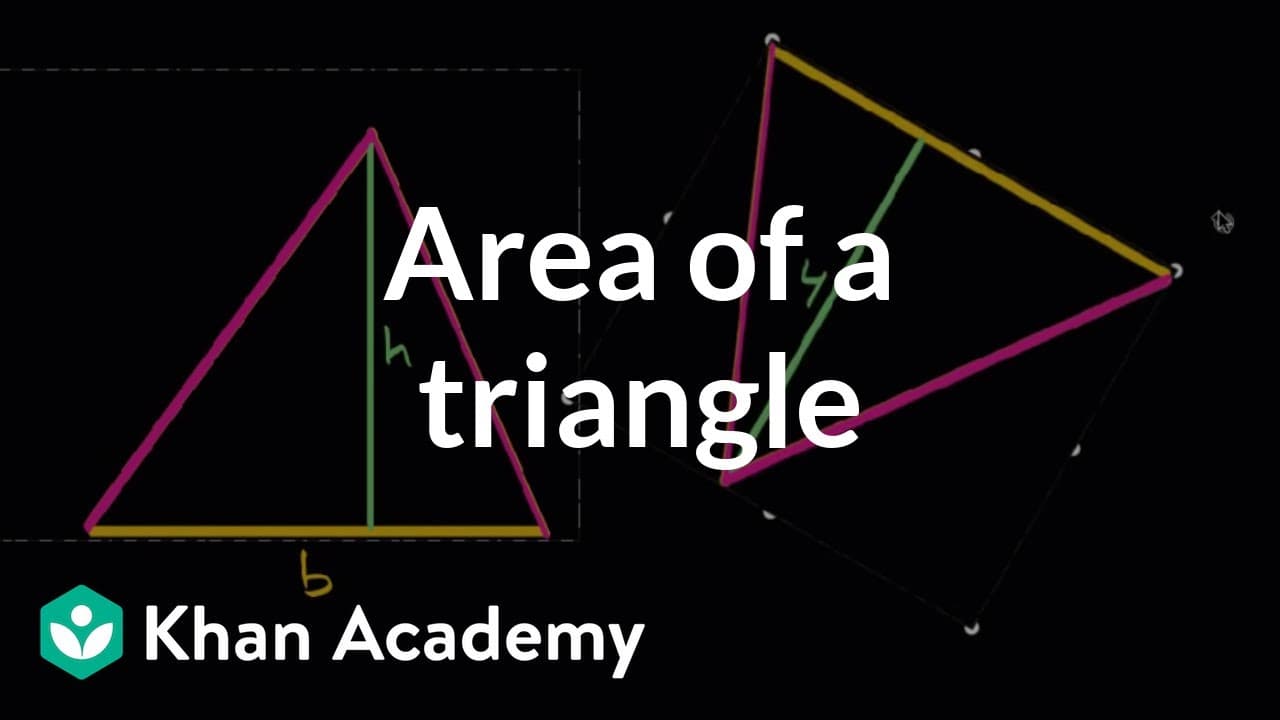
Area of Triangles Intuition
Find triangle area inside polygons and composite figures.
Watch on YouTubePractice
For each problem: write your work in the box, type your answer, and check it. If you are stuck, reveal the solution one step at a time. Do not skip straight to the final answer.
Exercise 1
Try it yourselfFind the area of a triangle with base 14 cm and height 9 cm.
Step-by-step solution
- 1A = ½ × 14 × 9 = 63 cm².
Exercise 2
Try it yourselfA regular hexagon splits into 6 identical equilateral triangles, each with area 15 cm². Find the hexagon's area.
Step-by-step solution
- 1Add the six triangle areas: 6 × 15.
- 2Total area = 90 cm².
Exercise 3
Try it yourselfA pentagon splits into a 6 × 4 rectangle and a triangle with base 6 and height 3. Find the total area.
Step-by-step solution
- 1Rectangle: 6 × 4 = 24.
- 2Triangle: ½ × 6 × 3 = 9.
- 3Total: 24 + 9 = 33 square units.
Exercise 4
Try it yourselfA parallelogram has sides 10 cm and 6 cm, but the height perpendicular to the 10 cm base is 5 cm. Find the area.
Step-by-step solution
- 1A = base × height = 10 × 5.
- 2A = 50 cm².
Exercise 5
Try it yourselfA garden is shaped like a trapezoid with parallel sides 20 m and 12 m and height 8 m. Find the area to cover with grass seed.
Step-by-step solution
- 1A = ½ × (20 + 12) × 8.
- 2A = ½ × 32 × 8 = 128 m².
Quick check
Answer all questions. Retake the quiz until you feel confident before moving on.
Area Review & Polygons
Question 1 of 5
Which formula finds the area of a triangle?