
The lesson
Read each section in order, work through every example on paper, then use the practice problems and quick check at the bottom.
Multiplying fractions
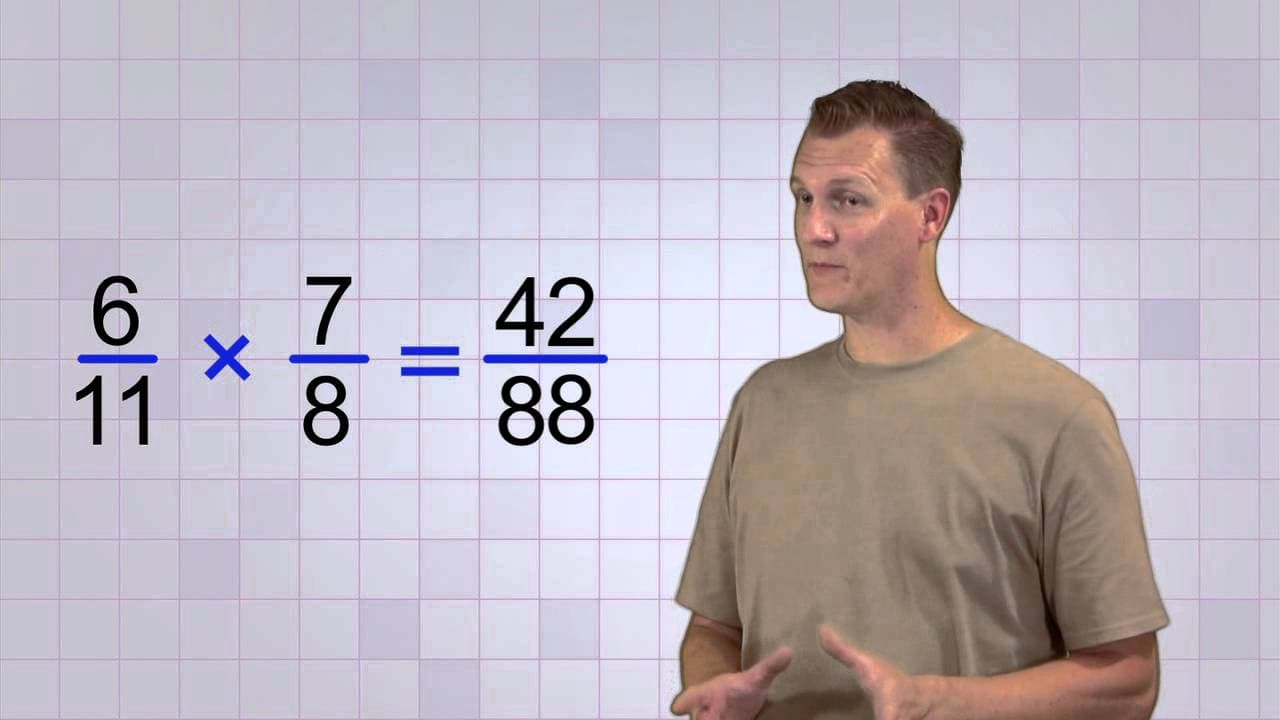
Multiply straight across: numerator times numerator, denominator times denominator. Then simplify. For example, 2/3 × 4/5 = 8/15.
The denominator tells you how many equal parts the whole is split into. The numerator tells you how many of those parts you have.
Always ask: "What is the whole?" In 3/4 of a pizza, the whole is one pizza. In 3/4 of 20 students, the whole is 20 students.
Dividing fractions - keep, change, flip
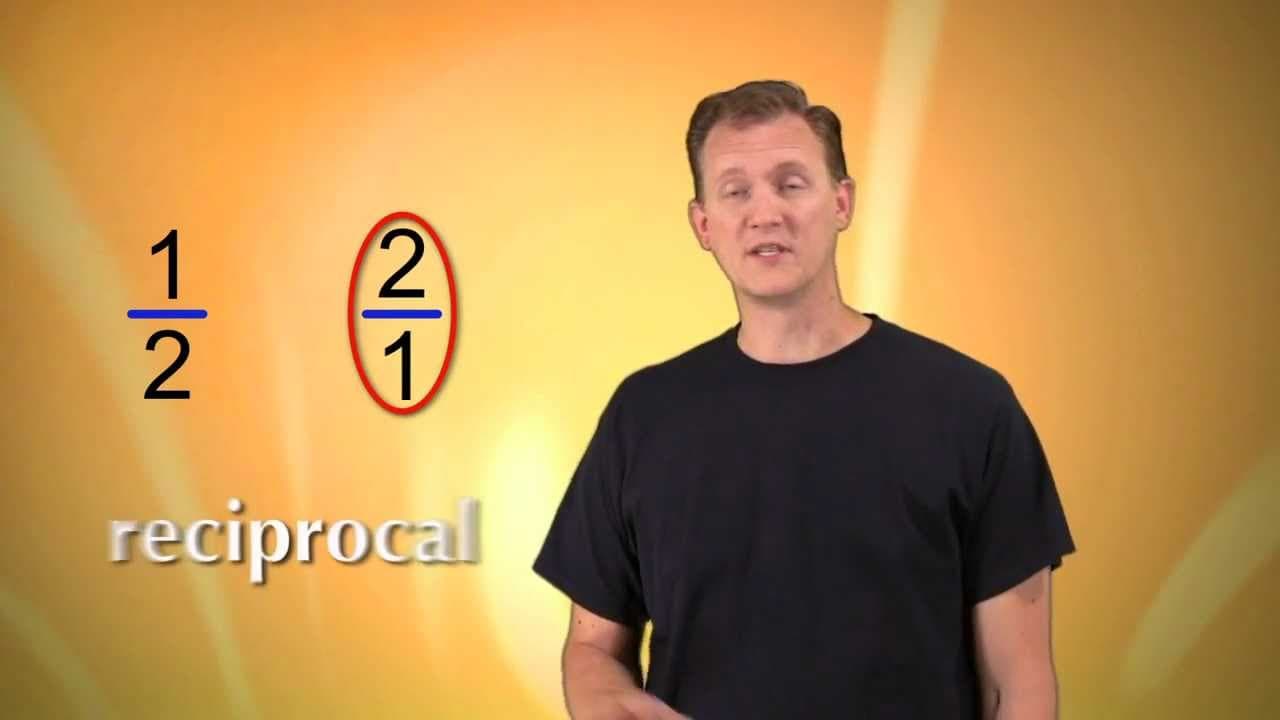
To divide by a fraction, you multiply by its reciprocal (the fraction flipped upside down).
- 1Keep the first fraction as it is.
- 2Change the ÷ sign to ×.
- 3Flip the second fraction (its reciprocal).
- 4Multiply across and simplify.
3/4 ÷ 2/3
- 1Keep 3/4, change ÷ to ×, flip 2/3 → 3/2.
- 23/4 × 3/2 = 9/8.
- 39/8 = 1 1/8.
Why this matters
Multiply straight across. To divide, keep-change-flip.
These ideas show up on homework, quizzes, and the next unit in this grade. Getting comfortable here saves time later when the problems stack more steps together.
Common mistakes to avoid
Adding numerators and denominators separately (2/3 + 1/4 is not 3/7). Match denominators first, or use a clear model.
Forgetting to simplify the final answer when a smaller equivalent fraction is possible.
Key ideas from this lesson
- Multiplying fractions
- Dividing fractions - keep, change, flip
- Keep the first fraction as it is.
- Change the ÷ sign to ×.
- Flip the second fraction (its reciprocal).
- Multiply across and simplify.
Video walkthroughs
Dividing Fractions
Flip the second fraction, then multiply (keep-change-flip).
Watch on YouTube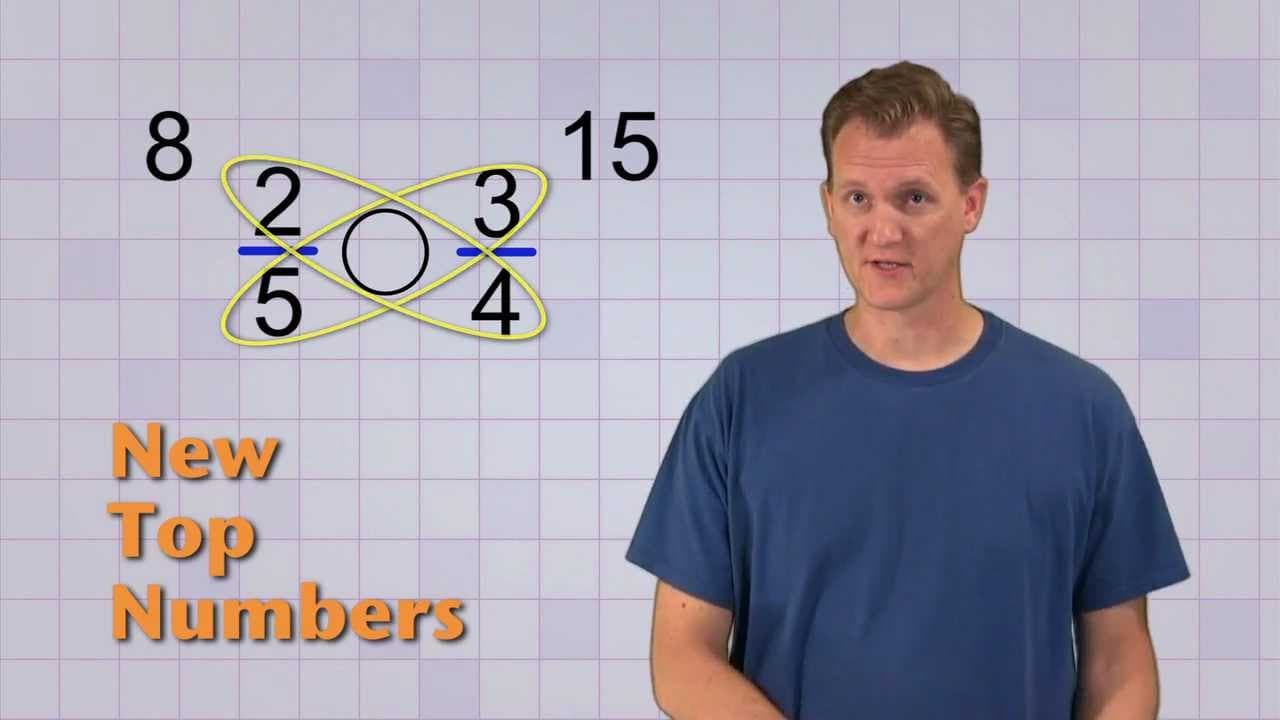

How to Simplify Fractions
Put products and quotients of fractions in lowest terms.
Watch on YouTubePractice
For each problem: write your work in the box, type your answer, and check it. If you are stuck, reveal the solution one step at a time. Do not skip straight to the final answer.
Exercise 1
Try it yourselfWhat is 2/5 × 3/7?
Step-by-step solution
- 1Multiply numerators: 2 × 3 = 6.
- 2Multiply denominators: 5 × 7 = 35.
- 3The product is 6/35.
Exercise 2
Try it yourselfWhat is 4/9 ÷ 2/3?
Step-by-step solution
- 14/9 × 3/2 = 12/18.
- 2Simplify by dividing numerator and denominator by 6: 2/3.
Exercise 3
Try it yourselfWhat is 3/4 × 8?
Step-by-step solution
- 13/4 × 8/1 = 24/4.
- 224 ÷ 4 = 6.
Exercise 4
Try it yourselfA recipe uses 2/3 cup of flour. You want to make half the recipe. How much flour do you need?
Step-by-step solution
- 1Half of 2/3 means multiply by 1/2.
- 22/3 × 1/2 = 2/6 = 1/3 cup.
Exercise 5
Try it yourselfWhat is 1 2/3 ÷ 2 1/2?
Step-by-step solution
- 11 2/3 = 5/3 and 2 1/2 = 5/2.
- 25/3 ÷ 5/2 = 5/3 × 2/5 = 10/15 = 2/3.
Worksheet - Operations practice
Mixed practice covering fraction and decimal operations.
Quick check
Answer all questions. Retake the quiz until you feel confident before moving on.
Multiplying & Dividing Fractions
Question 1 of 5
What is 3/4 ÷ 2/3?